
February might be cold and moody – but it’s actually a great time of year to get your primary classroom immersed in nature… both inside and outside of the classroom.
These five hands-on ideas are low-prep, curriculum-friendly, and designed to engage young learners while bringing wintery nature right into your classroom.
1. Create a seasonal sensory table
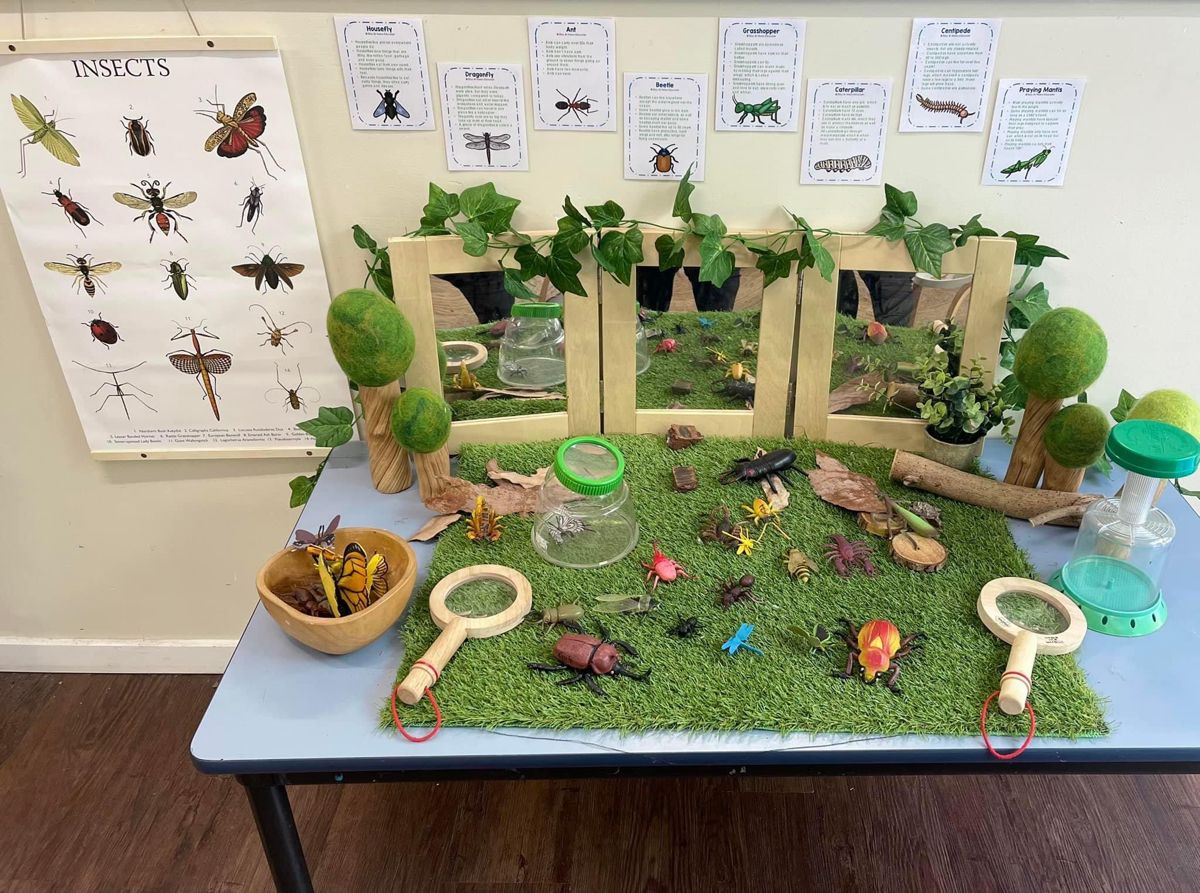
Set up a rotating sensory table filled with your pupil’s finds: conkers, leaves, pine-cones, acorns, dried grasses or pressed plants (maybe that one is a teacher job!).
Add magnifying glasses, labels, and sorting trays so pupils can group by colour, texture or size.
Use the table for talking prompts, descriptive writing starters or simple maths sorting and pattern work. Sensory tables are inclusive and calm – perfect for early years and young writers alike.
2. Leaf printing and observational art
Collect a variety of leaves during a crisp morning play time. Back in class, your pupils can use crayons for rubbings or water-based paints for leaf printing. Encourage close observation: ask them to sketch veins first, then print over their sketches.
This activity links to science (identifying trees), art (texture and pattern) and English language (encouraging new vocabulary like serrated, lobed, glossy).
Display finished pieces as an autumn display (and don’t forget to share them with us on Instagram or Facebook)
3. Indoor bug dens
In winter in the UK, many animals and bugs go into hibernation, which makes for a great lesson opportunity! Why not look at some places where these cute creatures hibernate, and then make your own? Create a corner den for your pupils to experience what it might be like to spend the winter hiding – complete with laminated cutouts of all the important things you might find in a den. Think: small logs, twigs, pine-cones, and food supplies!
You could also use this den as a springboard for a creative writing lesson where pupils can write about their life as a hedgehog, a frog, a bee, or a mouse!
4. Nature-inspired storytelling corner
Transform your classroom reading corner into a cosy den with cushions, twig frames and a basket of natural props. Use seasonal picture books like The Leaf Thief, One Winter’s Night or Fletcher and the Falling Leaves, then invite pupils to create their own short stories using props as prompts.
This boosts spoken language, sequencing and creative writing, and the props make imaginative play accessible and stories come to life!
5. Plant sweet peas for spring and summer blooms
Winter is a brilliant time to talk about growth and change, and planting seeds can help pupils understand how plants grow over time. Sweet peas are a great option for this time of year – because they’re easy to sow and fast to grow.
Plant them indoors now and by April you should be able to move them outside, ready for spring/summer blooms. The best part? They can grow up to 8 feet tall(!) and the blooms come in every colour from red, purple and lilac to white, pink and blue.
Use clear pots or jars where possible so pupils can see what’s happening below the soil. Encourage them to water regularly, place near the light, and record changes each week. This works well for simple science lessons on plant parts and life cycles, as well as measuring growth and drawing observations in a plant diary.
Don’t forget, you can share your projects with us via email or social media – we’d love to see what you create and do.